
Transcript Translation vs Credential Evaluation: Do You Need a Translator or Evaluator?
16 Feb 2026

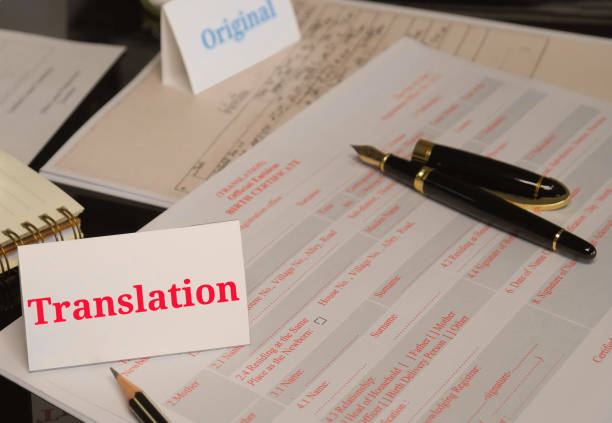
Moving to a new country for education brings excitement and challenges, including understanding transcript translation vs credential evaluation. These services have different purposes, yet many students confuse them, assuming one replaces the other. Knowing the distinction ensures academic documents are properly prepared for admissions or credential recognition.
If you studied abroad and plan to continue your education in the United States, you would likely encounter both processes. Understanding when you need translation services versus credential validation can save time, money, and potential setbacks in your admission or immigration journey.
Understanding the Basics: Translation vs Evaluation
What Is Transcript Translation?
Transcript translation converts your academic records from one language to another. This process focuses purely on linguistic conversion without assessing the academic value or equivalency of your courses.
Professional translators work with foreign transcripts to produce accurate English versions that maintain the original document's format and content. The translation includes course names, grades, credits, and institutional information exactly as they appear in the source language.
Translation services are essential when your educational documents are in languages other than English. Universities, employers, and immigration authorities require English versions to process your applications.
What Is Credential Evaluation?
Credential validation examines your educational qualifications to determine their equivalence in the United States education system. Evaluators assess whether your degree matches American standards and assign a comparable level.
This process involves analyzing the institution's accreditation, the program's rigor, credit hours, and overall educational quality. Credential evaluation services provide official reports stating what your foreign degree equals in US terms.
When Do You Need Translation Services?
Immigration Applications
USCIS acceptance requirements mandate that all documents submitted in foreign languages must include certified English translations. Whether you are applying for student visas, work permits, or permanent residency, translation is non-negotiable.
The translation must be complete and accurate, certified by the translator as a true representation of the original document. Immigration officers need to read and verify every detail of your foreign transcripts.
University Admissions
Most American universities require English translations of all academic records before they can review your application. Even if the institution also requests credential validation, the translation comes first.
Admissions committees cannot evaluate foreign transcripts written in other languages. The translation allows them to understand your coursework, grades, and academic progression.
Employment Verification
Employers seeking to verify your educational background need English versions of your diploma recognition documents. This applies particularly to licensed professions that require proof of specific educational qualifications.
When Do You Need Credential Evaluation?
Degree Equivalency Determination
Understanding how your education compares to American standards requires professional credential evaluation. This becomes crucial when applying to graduate programs or positions requiring specific degree levels.
Evaluators determine whether your bachelor's degree equals a US bachelor's degree, or if additional coursework is needed. They assess credit hours, subject matter, and institutional accreditation.
Professional Licensing
Many professions in the United States require credential validation before granting licenses. Healthcare workers, engineers, teachers, and other professionals must demonstrate that their foreign education meets American standards.
Licensing boards typically specify which evaluation services they accept and what level of evaluation is required.
Transfer Credits
Students wishing to transfer credits from international institutions need credential evaluation to determine how many credits will be accepted. This helps in planning remaining coursework and graduation timelines.
Common Scenarios Requiring Both Services
Scenario 1: International Student Admission
Maria completed her undergraduate degree in Brazil and wants to pursue a master's degree in the United States. She needs her foreign transcripts translated into English so the admissions committee can read them. Additionally, she requires credential validation to prove her Brazilian bachelor's degree equals a US bachelor's degree, making her eligible for graduate admission.
Scenario 2: Immigration Through Education
Ahmed holds engineering credentials from Egypt and received a job offer from a US company willing to sponsor his work visa. USCIS acceptance of his application requires certified English translations of all his educational documents. Simultaneously, the state engineering board needs credential evaluation to determine if his degree qualifies him for professional licensure.
Scenario 3: Career Advancement
Lin studied nursing in China and wants to work as a registered nurse in California. She needs translations for her USCIS acceptance documentation . The California Board of Registered Nursing also requires credential validation to verify her nursing education meets California standards before she can take licensing examinations.
The Process: Step-by-Step Guide
Getting Your Documents Translated
Start by gathering original copies or certified copies of your foreign transcripts, diplomas, and mark sheets. Contact professional translation services that specialize in academic documents.
Reputable providers ensure accuracy and provide certification statements required by USCIS acceptance protocols. The translator's certification confirms the translation is complete and accurate.
Review the translated documents carefully. Even minor errors in course names or grades can cause problems during the credential validation process or university review.
Obtaining Credential Evaluation
Research evaluation services recognized by your target institution or licensing board. Organizations like World Education Services, Educational Credential Evaluators, and others provide this specialized assessment.
Submit your original documents along with the translations to the evaluation service. Whether you need translation or credential evaluation , these services will verify authenticity, assess institutional accreditation, and compare your education to American standards.
The final report details your degree equivalency, lists courses with US credit equivalents, and provides a comprehensive analysis of your academic credentials.
Choosing the Right Service Providers
Translation Services
Look for providers experienced with academic documents and familiar with educational terminology in both source and target languages. Membership in professional translation associations indicates quality standards.
Verify that translations include proper certification statements. Some institutions and agencies have specific requirements for translator qualifications.
Evaluation Services
Different evaluation organizations have different recognition levels. Universities, licensing boards, and employers often specify which services they accept. Check requirements before selecting an evaluator.
Consider the evaluation level needed. Course-by-course evaluations provide detailed credit breakdowns, while general evaluations offer basic equivalency statements. The detailed version costs more but provides comprehensive information.
Cost and Time Considerations
Translation costs typically depend on document length, language pair, and turnaround time. Rush services cost more but deliver within 24-48 hours when needed.
Credential validation requires more time due to verification processes. Plan, submitting evaluation requests several months before application deadlines.
Some evaluation services offer expedited processing at additional cost. Consider this option only if deadlines are tight and the extra expense fits your budget.
Regional Variations and Specific Requirements
USCIS acceptance standards remain consistent nationwide, but individual states may have additional requirements for professional licensing. Research state-specific regulations before beginning the credential validation process.
Universities vary in their evaluation preferences. Some accept multiple evaluation services, while others specify organizations. Always check institutional requirements before ordering evaluations.
Avoiding Common Mistakes
Mistake 1: Ordering Only Translation
Many students believe translated foreign transcripts suffice for all purposes. However, translations show what you studied but not whether it meets American standards. Diploma recognition through credential evaluation becomes necessary for most academic and professional pursuits.
Mistake 2: Skipping Translation
Some assume credential validation includes translation. Evaluation services assess documents but do not translate them. You must provide both original and translated versions to evaluators.
Mistake 3: Using Uncertified Translations
Friend or family translations, even if accurate, lack the certification required for USCIS acceptance and institutional review. Only professional, certified translations meet official requirements.
Mistake 4: Choosing Wrong Evaluation Level
Ordering a basic evaluation when detailed course-by-course analysis is required wastes money and time. Verify requirements before selecting evaluation types.
Tips for Smooth Processing
Maintain organized copies of all documents. Keep originals in safe storage and work with certified copies when possible.
Start the translation and credential validation processes early. These procedures take time, and delays can affect admission deadlines or job start dates.
Communicate clearly with service providers about specific requirements. Mention if documents need special formatting or additional certifications. Follow up regularly on application status. Both translation and evaluation services should provide tracking information and estimated completion dates.
Understanding Quality Standards
Professional translation services follow industry standards ensuring accuracy and completeness. Look for providers offering revision guarantees and accepting responsibility for errors.
Credential evaluation organizations should be members of recognized associations maintaining quality standards and ethical practices. Membership indicates adherence to professional guidelines.
Documentation Requirements Summary
For translation, you typically need original documents or certified copies, identification proving you are the person named in the documents, and clear specifications about where the translations will be submitted.
For credential validation, requirements include original transcripts and diplomas, course descriptions or syllabi, proof of degree conferral, and sometimes additional documentation about institutional accreditation.
Making Informed Decisions
Understanding transcript translation vs credential evaluation helps you navigate the complex process of establishing your academic credentials in the United States. Both services play distinct roles in your educational and professional journey. Translation makes your documents readable. Evaluation makes them comparable. Together, they provide comprehensive documentation of your educational achievements in formats American institutions and authorities recognize and accept.
Research specific requirements for your situation. University admissions offices, professional licensing boards, and immigration attorneys can clarify what documentation you need. Budget for both services when planning your move. While costs may seem significant, proper documentation is essential for achieving your educational and career goals.
Conclusion
Understanding the difference between transcript translation vs credential evaluation is essential for anyone planning to study, work, or immigrate to the United States. While translation ensures your academic documents are accurately converted into English, credential evaluation determines how your education compares to U.S. standards.
These services serve distinct purposes, and in many cases, both are required. Choosing the right service at the right time helps prevent delays, rejections, and unnecessary expenses. By researching institutional requirements early and working with qualified professionals, you can confidently navigate admissions, licensing, and immigration processes and ensure your academic credentials are properly recognized. Need help with transcript translation or credential evaluation? Contact us today to get expert guidance, certified services, and a smooth, hassle-free process tailored to your requirements.
Frequently Asked Questions
1.Do I always need both translation and evaluation?
Not always. Translation is required for non-English documents, while evaluation is needed when U.S. equivalency must be determined. Requirements vary by institution or agency.
2.How long does the entire process take?
Translations usually take 2–5 business days. Credential evaluations may take 2–6 weeks depending on the service and processing speed.
3.Can I translate my own academic documents?
No. USCIS and most institutions require certified translations completed by professional translators. Self or family translations are not accepted.
4.Are online credential evaluation services legitimate?
Yes, many are legitimate. Always confirm the service is recognized by your university or licensing board and affiliated with NACES or AICE.
5.Do all U.S. universities require credential evaluation?
No. Some universities evaluate foreign transcripts internally, while others require third-party evaluations. Always check each school’s admission requirements.